
A Block-Sized Los Gatos Neighbors Search
Neighbors research is smaller than a full street directory and more exact than a ZIP search. Begin with the target address, identify the parcel, and select the lots that touch or face it. Then run each APN through the same official property route. The result can show parcel, situs, mailing, transfer, permit, and district clues. It does not automatically show every neighbor or household member.
| Source | What it shows about a block | Access |
|---|---|---|
| County or Town GIS | Parcel adjacency, streets, boundaries, layers | Free interactive map |
| Santa Clara Assessor | Situs, mail, values, exemptions, transfer reference per parcel | Free address or APN search |
| Clerk-Recorder | Ownership changes and legal descriptions | Public workstations or copy route |
| Town permits | Construction activity, dates, applicants, project contacts | Online search or request |
| Voter file | Only approved fields and geographies | Restricted request; no open browsing |
| Neighborhood groups | Public officers, events, newsletters when voluntarily posted | Town or group page; no roster entitlement |
Neighbors can mean adjacent parcels, people known through a voluntary community group, or households at nearby addresses. State which meaning is being used before comparing records.
Map the Los Gatos Parcels That Touch
The County of Santa Clara GIS applications and the Town interactive GIS instructions support a visual block method. Search or select the target parcel, note its APN and boundary, zoom until the adjoining lines are clear, and click the parcels that touch or face it. If no buffer tool is exposed, select the actual polygons one at a time. Do not assume that every nearby map marker shares the same block.
Write down each selected APN and situs. Include a parcel across the street only if the research question calls for facing lots, and label it as such. GIS layers can show jurisdiction, road, or district context, but the map does not certify a person’s identity or occupancy.
Block flow: known address → target APN → parcel polygon → touching or facing APNs → separate Assessor results → deed, permit, or public-contact check.
Note: Select the polygons that actually touch; distance alone is not a reliable definition of a Los Gatos block.
Run Each Neighbor APN Separately
The Santa Clara Assessor Real Property Search has no public owner-name input. Use the APN or situs address for each parcel rather than trying to reverse the map into a list of neighbors. A result may show one or more situs addresses, a separate mailing address, current transfer document number and date, land and improvement values, exemptions, net assessed value, tax-rate area, and taxing districts.
The homeowners’ exemption is a clue consistent with owner occupancy, not proof of who else is at the address. A San Jose mailing address can sit beside a Los Gatos situs. A parcel can have multiple addresses. If an ownership question matters, carry the transfer reference to the Clerk-Recorder and match the legal description. If a construction question matters, use the permit channel and keep owner, applicant, and contractor roles distinct.
- Adjacent parcel
- A mapped lot that shares a boundary with the selected parcel.
- Facing parcel
- A lot across the street or other public way, labeled separately from an adjacent lot.
- Mailing address
- The assessment notice destination, which may not be the parcel or the household.
- Transfer reference
- The document number and date that can lead from the Assessor result to Recorder research.
Why Voter Data Cannot Become a Los Gatos Block Directory
The Santa Clara Registrar of Voters lookup authenticates an individual. It asks for first name, last name, birthdate, and a conditional identity credential. It is not a public street or block search. California Elections Code sections 2188-2194 control requests for voter data, permitted purposes, safeguards, and public fields. The County’s voter-data request route can require the requester, organization, geography, requested fields, statutory purpose, delivery format, agreement, and signature.
Approved voter-file products may include name, date of birth, registration date, residential or mailing address, precinct, public contact, party, election date and method, and districts. Driver license or ID numbers, Social Security last four digits, unique identifiers, signatures, and ballot choices are not general public fields. Voting history records participation, never a ballot selection.
Note: A block lookup should never test another person’s identity credentials or publish a street-by-street voter list.
Almond Grove and Other Voluntary Networks
Los Gatos community names can help orient a block, but the supplied research did not locate a complete official association inventory or prove that each named area keeps a membership directory. Public pages, newsletters, board contacts, event calendars, and development notices are voluntary sources. They can show a public community connection without exposing a private household roster.
| Almond Grove and Downtown | Historic or central community labels; use public town or group material when posted. |
|---|---|
| Glen Ridge and Rinconada | Neighborhood context; public notices do not establish membership. |
| Blossom Manor and Belgatos | Local names that may help orient a map or newsletter search. |
| La Rinconada and Los Gatos Village | Community labels; verify the exact parcel and voluntary organization. |
| Mountain ZIP communities | Postal and rural geography that may cross Town or county service lines. |
The Town neighborhood information is a starting point for public community context. The Los Gatos-Monte Sereno Police page is a separate records route for releasable incident material. Neither should be read as a promise of a private roster.
Public Contacts Versus Private Rosters
Community organizations, congregations, block-watch programs, clubs, and neighborhood groups may publish an officer, contact email, event, or public concern. That voluntary material can help a person reconnect with a local group or understand a block’s history. Member lists, HOA owner lists, block-watch rosters, congregation lists, and private contact records are not presumed public.
Use a public contact to ask about the group’s own access rules. Do not infer a member’s home address from a meeting notice, and do not treat a public officer’s contact address as a household record. Library local history, NUMU photographs, and local newspapers can add community history without turning a private list into a directory.
Neighborhood names such as Almond Grove, Downtown, Glen Ridge, Monte Sereno-adjacent areas, Blossom Manor, Rinconada, Belgatos, La Rinconada, Los Gatos Village, and mountain ZIP communities are useful orientation clues. They are not a verified membership map. A public newsletter can establish that a group spoke about a project or event, while an HOA or block-watch list still requires its own consent and access rule.
Good boundary. A public board contact can establish a voluntary public role. It cannot establish every member, neighbor, or household on the surrounding block.
Official Registries Are Narrow Windows
Some official lookup tools concern a person’s public status but are not neighbor lists. The Santa Clara County inmate finder can show custody or booking information as the interface permits. The California Department of Corrections and Rehabilitation locator covers the state prison population. California’s Megan’s Law site provides statutory registry fields and map or name modes with warnings against harassment. None of these tools proves that a person lives near a Los Gatos address, and a booking cannot establish guilt or current location after release.
The official Megan’s Law registry search explains the narrow purpose of one such public tool.
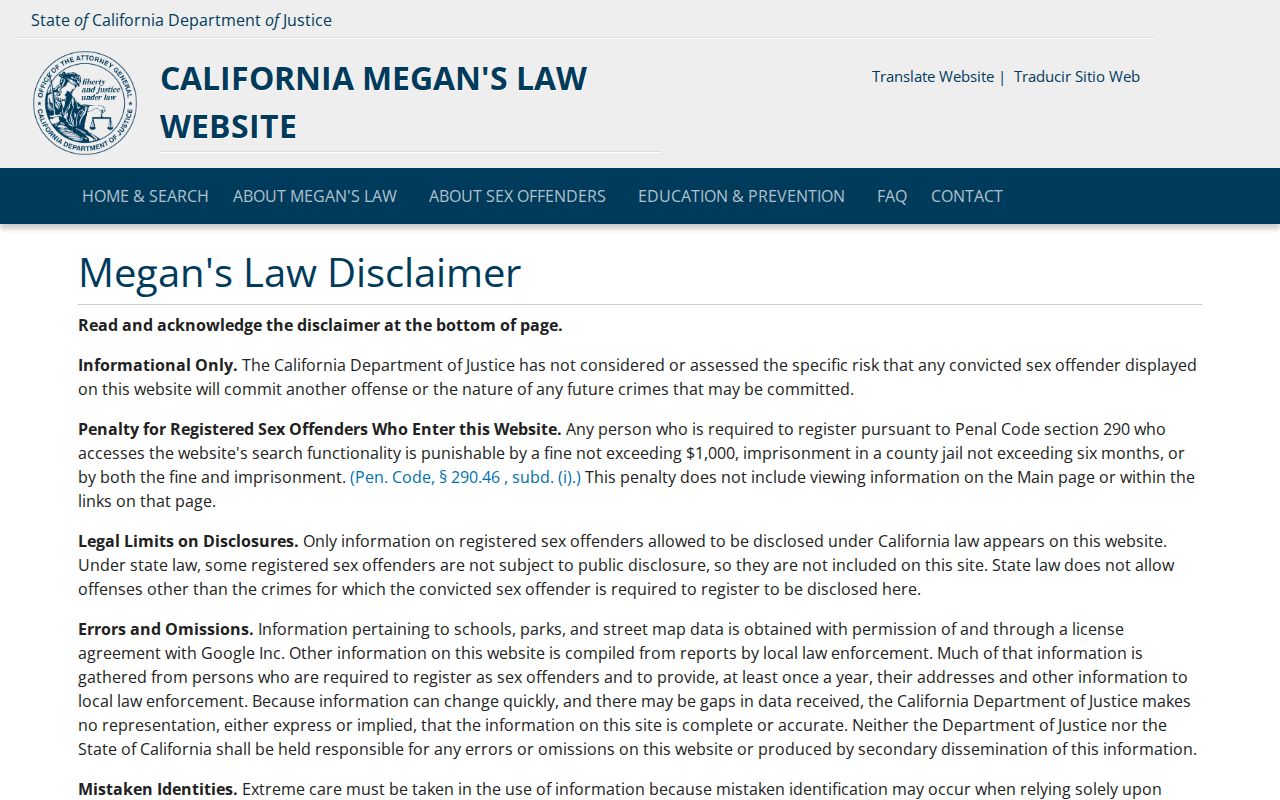
Use registry information only within the custodian’s stated limits and never turn a public field into a reason to confront or track a person.
Safe at Home and Protected Los Gatos Addresses
California Safe at Home supplies eligible survivors, qualifying public-entity participants, and household members with a substitute mailing address and confidential voter registration. It does not change legal identity or erase every historic public record. A person may therefore be absent from a parcel-based neighbor lookup even when the person has a lawful connection to the community.
The Secretary of State Safe at Home information explains the protected-address model.
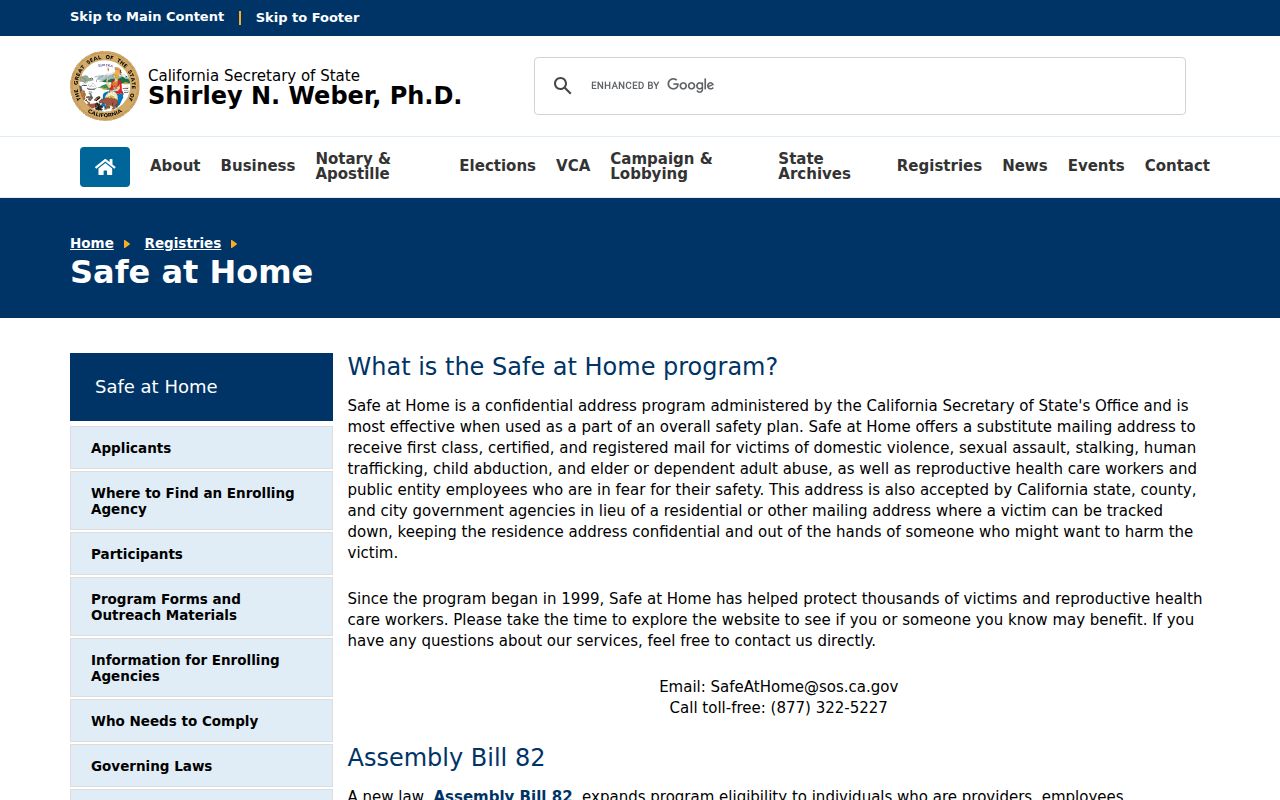
Respect a protected address as a boundary. A missing parcel name is not an invitation to use a different data source to reconstruct it.
Note: Address confidentiality can create a lawful dead end in a neighbors search, and the dead end should remain closed.
Privacy Limits on a Los Gatos Neighbor Lookup
Official rolls and commercial neighbor tools do not have the same authority. County maps and assessor results are useful for parcel geography. Deeds document recorded interests. Permits show dated project contacts. Voter records are restricted. Commercial tools can merge names, reuse stale data, charge recurring fees, and omit protected information. Verify an important fact with the custodian instead of treating a compiled profile as final.
| Source type | Useful for | Do not infer |
|---|---|---|
| Official GIS and Assessor | Parcel, situs, boundary, mailing, transfer clue | Every household member or current occupant |
| Recorder | Recorded parties and legal parcel history | Presence at the property |
| Town permit | Project date and labeled contact roles | Resident status of an applicant or contractor |
| Commercial neighbor tool | Possible lead for a name or address | Accuracy, currency, or lawful authority |
Lawful personal use. Los Gatos neighbors research can support block history, reconnecting, civic understanding, and personal safety awareness. Never use it to stalk, harass, intimidate, or harm anyone.
For a whole named street, switch to the Los Gatos by-street address chain. For the immediate block, keep the map selection, APNs, source dates, and access limits visible.
Note: A careful neighbor lookup identifies parcels and public sources while leaving private household information private.